



4 Tips You Can Use Everyday On Your Orchid
Author: Celeste Booth3 Comments
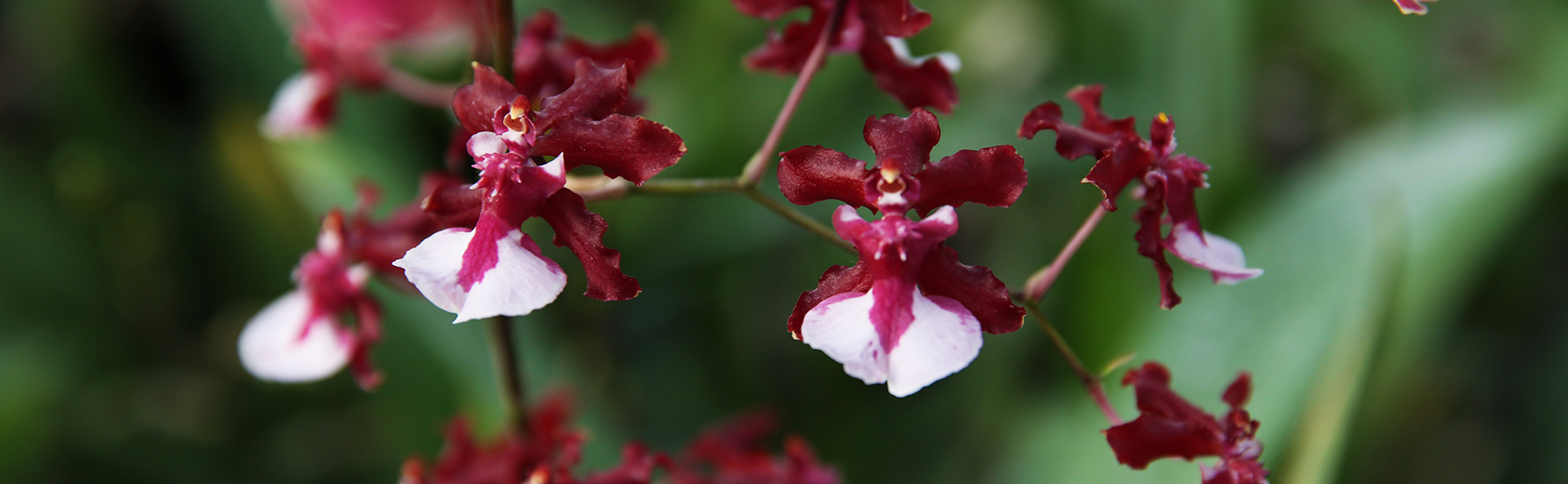
The main thing to remember when caring for an orchid plant is you want to take preventative measures so that you don’t have any problems in the future (i.e. disease, water damage, insects, etc). It doesn’t take much time or knowledge to keep them healthy. Below you will find a few tips for you to use everyday to ensure your orchid’s general health.
4 Everyday Tips
- Take a close look at your orchid plant at least once a week. Make sure the all the leaves are a healthy green (don’t forget to check the underside of the leaf, at the psuedobulbs and at the spike). Check any blooms or buds to be sure they aren’t turning yellow, and the stalk doesn’t appear brown. The last thing you’ll want to check are the roots; if you see any roots that appear rotten, simply remove these. Not only are you taking quick preventative measures for your orchid plant to keep it healthy, you are gaining knowledge to spot any abnormalities in the future.
- Be sure you are purchasing your orchids from a reputable supplier. Inspect them yourself; make sure they look strong and healthy. When you get them home you’ll want to separate them (if you got multiples) from the rest of your collection and other plants you have already (in case they are carrying any diseases or insects; its best not to spread these to other plants). Once you are assured they are healthy, place them in a pleasing location that receives enough light and humidity, according to your particular orchid’s care requirements.
- If you notice your orchid doesn’t look right on one of your weekly check-ups, act quickly, and don’t wait to see if the problem gets better on its own. Remember that insects have varying life cycles and need to treated, so you need stop growth at all the cycles. If you are unsure of the problem, it would be best to consult your local nursery or orchid grower, or submit a question via our Ask an Expert form (listing all of the symptoms and the species of orchid you have).
- Humidity is key when caring for orchid plants. For healthy growth, your orchids need the right amount of humidity as well as air circulation. Orchid plants like to have the moisture in the air around them maintained. If you need to, create evaporation trays so your orchids can set on top of them and get the humidity levels they need.
If you enjoyed this, please share it!


3 Responses to “4 Tips You Can Use Everyday On Your Orchid”
Leave a Reply


Ask an Expert
Questions about orchids?
Our experts love a challenge!

Busono
Oncidium
Photo of the Week
Submit your photo to be featured on the blog!
More Photo of the Week Winners
Submit Photo
My Orchid has beautiful bloom on it. But I can see a lot of roots should I put it in a larger pot.
Orchids can be repotted every two years or so when they’ve overgrown their pots. A good time to re-pot is right after blooming finishes.
Plant leaf are getting big more root and no bloom